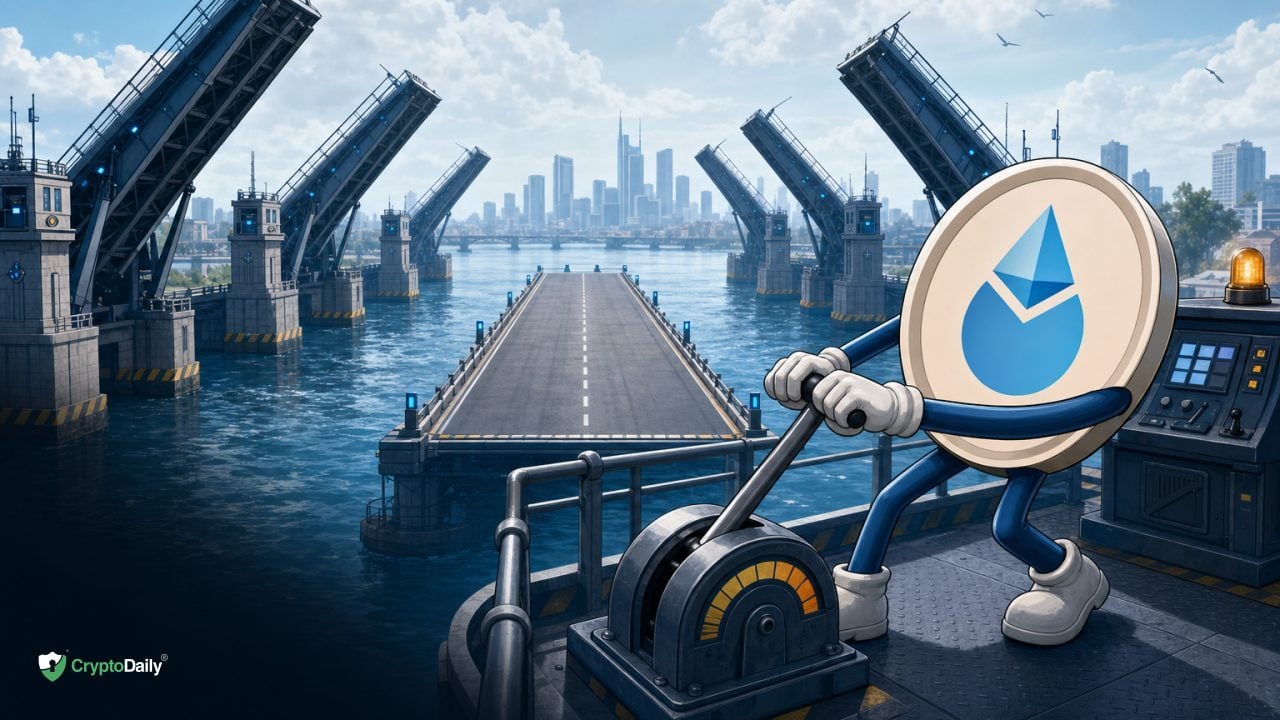
You wake up, check your watchlist, and the headlines read like a tidy retreat. Lido is pulling back its wstETH bridges on a bunch of chains. Not a rug. More like a house clean-up after a long party.
For months, stETH and wstETH were everywhere. Every new rollup, every modular thing with a bridge. Then the governance post hit, the Snapshot closed, and the endpoints started losing their “canonical” badge. Suddenly, the convenience tax of being everywhere looked too high.
So is this Lido conceding the multichain push got messy, or simply choosing to be picky about where it plants flags? Let’s unpack it without the marketing gloss.
Editor’s note: The April KelpDAO incident was my stress test bookmark, and I watched how fast liquidity rotated and how DEX routes repriced. When the Lido Snapshot closed with a landslide to prune endpoints, it matched what I was hearing from teams juggling integrations across too many chains. The NEC guardrails feel like a pragmatic response to constant L2 churn. I’m still watching how periphery chains rebuild depth without a canonical tag. — Maya Sinclair
Lido DAO voted to revoke the canonical status of its wstETH bridge endpoints on nine networks: zkSync Era, Mode, Scroll, Mantle, Swell, Zircuit, Soneium, Polygon PoS, and Lisk. The move was framed as a consolidation of multichain resources and a way to keep risk manageable across the growing sprawl of L2s and sidechains. The Snapshot that carried this finished on June 22, 2026 with 57.4 million LDO in favor against 122 LDO opposed (Lido Governance). The formal update landed the next day (Lido blog).
Lido is not exiting bridged wstETH. It is narrowing what it calls canonical, which shifts operational overhead and reputational risk back toward the bridges and the chains that want the asset.
Users are affected in practical ways: labels change inside interfaces, liquidity incentives may move, and routing through DEXes or bridges could get a little clunkier. Protocols that leaned on a “canonical” stamp for UX clarity now have to handle more nuance.
How Lido Ended Up Everywhere
stETH is a liquid staking token. wstETH is the wrapped, non-rebasing version that most DeFi prefers. Because activity shifted to L2s and other EVM-adjacent networks, there was a rush to bring wstETH wherever users traded, borrowed, or posted collateral.
Why canonical bridges matter
“Canonical” in this context is social and operational. It signals that Lido has recognized a specific bridge endpoint for wstETH on a given network as the primary one. That designation can drive liquidity, integrations, and user confidence. It also comes with support expectations and reputational attachment. When every chain wants your token, those expectations multiply fast.
Over the past two years, that multiplication turned messy. Every new chain meant another endpoint to monitor, another set of risks if a bridge broke or governance on the other side went sideways.
The June 2026 Pullback, Line by Line
The DAO decision is specific, not vague. Canonical wstETH endpoints were revoked on nine networks. Lido’s post on June 23, 2026 states the change clearly and frames it as a resource concentration move (Lido blog).
Sequence of how it unfolded
- Context gathered on forum and research threads. Community debated the sprawl and bridge tradeoffs.
- Formal proposal published to revoke canonical status on selected chains and empower the Network Expansion Committee (NEC) under guardrails (Lido Governance).
- Snapshot vote concluded on June 22, 2026 with 57.4 million LDO in favor and 122 against, giving a clear mandate to proceed (Lido Governance).
- Lido published the multichain update on June 23, 2026, listing zkSync Era, Mode, Scroll, Mantle, Swell, Zircuit, Soneium, Polygon PoS, and Lisk among the revoked endpoints (Lido blog).
- Communications now steer users to treat those network instances as bridged wstETH without the canonical stamp, and to track liquidity and bridge routes with more care.
Who gets hit?
It is more about complexity than catastrophe. If you held wstETH on any of the nine, your tokens still exist. But the default routes may shift. Some DEX pools could see lower incentives. Protocols that depended on the “canonical” label for risk scoring may downgrade support or require extra wrappers and oracles.
Here is a quick, high-level view of the affected networks and how to think about them right now.
| Network | Endpoint status | Immediate user lens |
|---|---|---|
| zkSync Era | Canonical revoked | Treat as bridged wstETH. Check local liquidity and slippage. Watch Lido forum for updates. |
| Mode | Canonical revoked | Bridged asset context. Confirm routing via DEX aggregators before size. |
| Scroll | Canonical revoked | Expect integrations to adjust labels. Validate oracles and collateral factors. |
| Mantle | Canonical revoked | Monitor LP incentives. Spreads can widen in thinner pools. |
| Swell | Canonical revoked | Be cautious of liquidity mirages during transitions. |
| Zircuit | Canonical revoked | Third-party bridge assumptions apply. Check bridge risk notes. |
| Soneium | Canonical revoked | Confirm token addresses and wrappers to avoid permsniping mistakes. |
| Polygon PoS | Canonical revoked | Routing may change. Larger trades should split to manage impact. |
| Lisk | Canonical revoked | Expect some integrations to pause or re-list with different risk flags. |
Why Now: Risk, Liquidity, and the KelpDAO Shock
The timing is not random. April delivered a jolt when KelpDAO suffered an exploit that released roughly 116,500 rsETH, which Lido tallied at about 292 million dollars at the time. Lido’s post-mortem and liquidity analysis, published June 24, 2026, showed how wstETH markets behaved under stress. For a 1,000,000 dollar fixed-sell wstETH quote, the median daily impact across 236 observations was minus 1.6 bps. Pre-exploit, the median sat near minus 0.1 bps. During the 10-day stress window, median impact widened to minus 5.0 bps, with the 7-day moving average trough at minus 15.9 bps (Lido blog).
Liquidity held, but patience wore thin
Those numbers read like a win for market depth. The spreads and impact widened, but the market did not buckle. That said, you can hold liquidity in a few core places or try to hold it everywhere. The second path is expensive. The KelpDAO episode reminded everyone that when one corner of staking or LSDfi hiccups, liquidity demands spike in weird places. Running official endpoints across a dozen-plus networks means taking reputational splash from events you do not control.
So Lido took the conservative path: keep the core markets healthy and avoid spraying support too thinly. If you squint, it looks like belt tightening. If you widen your view, it is Lido accepting that being “default money” on every new chain is not only hard, it is risky.
What Changes For Users and Protocols
Practically, think in terms of routing and labels. Canonical tags are UX shortcuts. Remove them and users must take an extra beat before moving size. Here is how to navigate the transition without donating basis points.
For active users
- Double check token contracts. wstETH wrappers can vary by bridge. Do not trust tickers.
- Use aggregators for quotes, but sanity check pool depth on the destination chain before finalizing.
- Split large trades into clips. If the pool is thin, time-weight the exit instead of forcing it.
- If using wstETH as collateral, read the protocol’s updated risk page. Some will change LTVs or pause listings temporarily.
- Watch governance forums for chain-specific updates and supported routes from bridges you trust.
For protocol teams
Re-labeling matters. Risk committees should document that the asset is the same, but the bridge context changed. Oracles need to be checked for the correct address and wrapper. If you run an auto rebalancer or vault, add chain-specific slippage and liquidity limits until depth normalizes.
Governance Aftermath: NEC Gets the Keys With Guardrails
The decision did more than prune endpoints. It also handed the Network Expansion Committee authority to perform similar revocations in the future, with meaningful constraints. The NEC must act unanimously and post a public forum announcement explaining the rationale and next steps each time (Lido Governance).
This is a realpolitik move. Big DAOs need smaller, accountable groups to make quick calls when market conditions change, but they also need baked-in transparency. Unanimity pushes the NEC toward caution. The public write-up makes reversals auditable. If the multichain map keeps shifting, expect more of these surgical updates rather than giant all-hands votes every time.
Where This Leaves LDO Holders
For LDO holders, the signal is two sided. On one side, pruning endpoints can help protect brand risk and limit tail events from exotic bridges. On the other, it reduces Lido’s footprint on some growthy networks where fees and mindshare might have compounded. If you believed the multichain land grab was essential for Lido’s moat, this looks like a retrenchment. If you valued conservative stewardship around staking collateral, this looks prudent.
Token economics are not directly changed by this vote. What can change is integration velocity and incentive allocation across chains. If the core L2s keep deep pools and clear routes, the network effect for wstETH remains intact. If too many chains feel second tier, copycat staking tokens with native-first strategies might poach users at the edges. The reality is probably in between: fewer official endpoints, stronger core hubs, and opportunistic expansions when bridges and chains meet higher bars.
Risks & What Could Go Wrong
- Bridge fragmentation increases UX mistakes. Users may send to the wrong wrapper or trust spoofed contracts during the label change window.
- Liquidity cliffs on smaller chains. If incentives rotate out, spreads widen and price impact jumps for routine size.
- Collateral policy whiplash. Protocols might flip from green to yellow on wstETH overnight, forcing liquidations or deleveraging if parameters tighten.
- Reputational bleed. If a revoked endpoint later experiences an incident, users could still associate it with Lido, creating confusion.
- Governance concentration risk. NEC discretion is efficient, but unanimous committees can still be path dependent or risk averse at the wrong moment.
- Opportunity cost. Chains that grow fast without a canonical wstETH may crown other staking assets as the default, eroding Lido’s periphery influence.
Pullbacks are safer only if the remaining routes are obviously better. If core liquidity thins or routing is inconsistent, you get the costs of retreat without the safety premium.
If you want regular context on these shifts without doomscrolling governance threads, Crypto Daily tracks the on-chain and market angles in one place. Their coverage often catches the second-order effects that traders and builders actually feel day to day. You can follow ongoing updates at Crypto Daily.
Frequently Asked Questions
Does revoking canonical status mean wstETH is unsupported on those chains?
No. It means Lido no longer labels a specific endpoint as the primary, endorsed bridge on those networks. wstETH can still exist there via bridges, but you should treat it with standard third-party bridge diligence.
Why did Lido act now and not earlier?
The ecosystem has exploded with rollups and new chains, each with different bridge models. After recent market stress, including the April KelpDAO incident and Lido’s own liquidity review in June 2026, the cost-benefit tilted toward consolidation. The DAO had the votes and the mandate to trim.
What happens to my wstETH on a revoked network?
Your tokens remain your tokens. Pricing and routing may change. If you need to move size, check quotes across multiple DEXes and consider bridging routes from reputable providers. If you use it as collateral, monitor protocol announcements for parameter updates.
How will the NEC use its new authority?
Per the governance decision, the NEC can only act unanimously and must publish a forum post explaining each revocation. Expect targeted, justified actions rather than blanket changes. If conditions improve on a chain, the door remains open for future adjustments.
Did the KelpDAO exploit directly affect wstETH?
Not directly. But it stressed staking-related liquidity. Lido’s analysis showed wstETH depth held relatively well, though impacts widened for a period. The episode highlighted how shocks in adjacent assets can force liquidity tests across DeFi.
Will fewer endpoints hurt LDO’s value?
Market value depends on many factors: staking demand, Ethereum yields, integrations, and governance execution. Pruning endpoints could help reduce tail risk and operating drag, but it may slow growth on some networks. Treat it as a strategic trade-off, not a simple bullish or bearish switch.
Is there a safe way to bridge wstETH now?
There is no risk-free bridge. Use well-vetted bridges, verify token addresses, start with test amounts, and watch slippage and fees. Follow Lido’s forum and official channels for any recommended practices as the situation evolves.
Disclaimer: This article is provided for informational purposes only. It is not offered or intended to be used as legal, tax, investment, financial, or other advice.